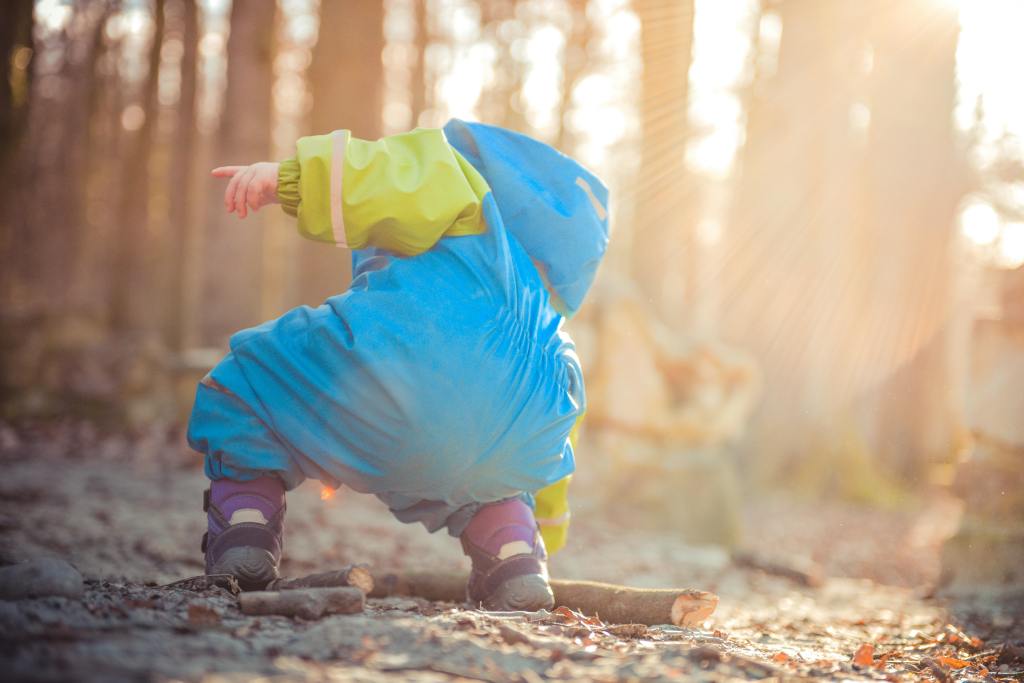
If there’s one category where fast fashion feels unavoidable, it’s kids’ clothes.
They grow quickly. They stain everything. They outgrow shoes in what feels like a month.
So the default becomes easy: a quick Amazon order, a handful of inexpensive outfits, and a quiet assumption that they’ll be donated or thrown away in a few months anyway.
But slow fashion principles can still apply to kids. In fact, kids’ clothing may be one of the places where intentional shopping can make the biggest difference.
Not because kids need expensive wardrobes. They don’t. But because the buy-cheap-replace-repeat cycle creates an enormous amount of waste, expense, and clutter for families.
Slow fashion for kids simply means approaching their wardrobes with the same mindset we try to bring to our own: fewer pieces, better quality, and longer lifespans.
Kids’ Clothing Has a Fast Fashion Problem
Children’s clothing moves through wardrobes incredibly quickly. Babies alone can go through seven clothing sizes in their first two years, and many items only fit for a few months before they’re outgrown.
The result is closets full of barely worn clothing.
Across the fashion industry, more than 100 billion garments are produced each year, and roughly 92 million tons of textiles end up in landfills annually.
Kids’ clothing plays a surprisingly large role in this cycle because the wear time is so short.
When clothes are cheaply made and difficult to resell or reuse, they often go straight from closet to trash.
Slow fashion asks a simple question instead:
What if kids’ clothes were designed — and purchased — with longer lives in mind?
The Case for Buying Fewer, Better Kids’ Clothes
Slow fashion for kids is less about spending more and more about buying intentionally.
Well-made children’s clothing tends to last longer, survive playground wear, and hold up to repeated washing.
That durability changes the economics of a wardrobe.
A cheap shirt that falls apart after a few wears can actually cost more per wear than a sturdier piece that lasts an entire season or can be passed down to another child.
Higher quality pieces also tend to:
- Hold resale value
- Be easier to donate or consign
- Survive multiple children
- Feel better on sensitive skin
Many sustainable kids’ brands focus on natural fabrics like cotton, linen, or bamboo blends, which are breathable and comfortable for children while reducing reliance on synthetic fibers.
The goal isn’t perfection. It’s simply shifting away from disposable clothing.
Kids Are Perfect for Circular Fashion
Interestingly, kids’ clothing is one of the easiest places to practice circular fashion.
Because children outgrow clothes long before they wear them out, most garments still have a lot of life left in them.
That makes them ideal for:
- Hand-me-downs
- Consignment stores
- Clothing swaps
- Secondhand marketplaces
Buying secondhand clothing also avoids the environmental impact of producing something new and helps reduce textile waste.
And when kids grow up seeing clothing reused, it quietly teaches them that value comes from quality and function rather than trends.
Practical Ways to Practice Slow Fashion with Kids
Slow fashion with kids doesn’t require a complete wardrobe overhaul. Small shifts can make a big difference.
1. Buy fewer pieces each season
A small capsule wardrobe can work surprisingly well for kids.
A handful of well-made basics that mix and match easily often results in more outfits than a closet packed with random pieces.
Neutral colors, durable fabrics, and simple silhouettes make it easier to reuse items across seasons or siblings.
2. Look for clothes that grow with them
Some brands design kids’ clothing with adjustable waistbands, extendable cuffs, and stretch fabrics so garments last longer through growth spurts.
Even gaining an extra few months of wear makes a difference.
3. Shop local consignment stores first
One of the best slow fashion habits for families is simply checking a local kids consignment shop before buying new.
Children’s resale stores often carry barely worn clothing, especially for younger ages where items are worn only briefly.
Benefits include:
- Lower prices
- Higher quality brands
- Less textile waste
- A way to resell items once they’re outgrown
Many parents find that a cycle of buy consignment → wear → resell → repeat dramatically reduces clothing costs.
4. Prioritize durable, high-wear pieces
Not everything needs to be premium.
But it often makes sense to invest a little more in items that get worn constantly:
- Winter coats
- Shoes
- Everyday leggings or pants
- Pajamas
Durable pieces that last through an entire season (or multiple children) usually have the lowest cost per wear.
5. Accept that some things will still be messy
Kids will still spill juice, paint their shirts, and outgrow shoes unexpectedly.
Slow fashion isn’t about creating perfect wardrobes. It’s about reducing the automatic buy-cheap-throw-away cycle when possible.
Even choosing a few better pieces each season makes a difference.
Slow Fashion Is Really About Mindset
At its core, slow fashion is simply about treating clothing as something worth keeping.
For kids, that might mean:
- Passing down favorite sweaters
- Finding treasures at consignment shops
- Repairing a ripped knee instead of replacing the pants
- Choosing fewer things that get worn often
Children grow quickly. Their clothes don’t have to be disposable.
And when we shift the way we shop for them, we often end up with simpler closets, less waste, and surprisingly, fewer trips to buy clothes in the first place.

 The Deep End
Leave a comment