Natural vs Synthetic Fibers: A Guide to Choosing Better Clothing Materials
If you are trying to build a wardrobe made up of timeless, intentional pieces that last, one of the most helpful things you can understand is what your clothing is actually made of.
Not just the brand.
Not just the aesthetic.
But the fibers.
Fibers are the smallest units that make up textiles. They are spun into yarns, which are woven or knitted into fabrics, which are then turned into the clothes we wear every day.
Understanding the difference between natural and synthetic fibers can help you choose clothing that is more breathable, longer lasting, and easier to care for over time.
Natural Fibers Are Not Always Low Impact, But Lifecycle Still Matters
There is a common assumption that natural automatically means sustainable. That is not always true.
Many natural clothing fibers are heavily processed before they become wearable fabric. Conventional cotton production, for example, can involve significant water use, pesticides, chemical dyes, and energy intensive mechanical processing.
Even some plant based fabrics like bamboo rayon, modal, and viscose are chemically processed into what are often referred to as semi synthetic fibers. These materials begin as natural sources but are dissolved and re formed using industrial solvents in order to become soft and spinnable.
This processing step is important to acknowledge, especially when evaluating claims about sustainability.
However, the long term performance of natural fibers can still make them a lower impact choice over time.
Natural fibers tend to tolerate extended wear, repair, and eventual recycling more effectively than synthetics. When they do reach end of life, untreated natural fibers are also capable of decomposing under the right conditions, rather than persisting in the environment as microplastics.
Why Fabric Type Matters for Breathability, Odor, and Durability
Different fibers behave differently on a microscopic level. That behavior determines how your clothes feel on your body, how often you need to wash them, and how they age over time.
One of the biggest differences between clothing materials is how they interact with water.
What Makes Clothing Breathable?
Hydrophilic fibers attract water.
Hydrophobic fibers repel water.
This affects everything from how breathable a garment feels to how often you need to wash it.
Hydrophilic fabrics tend to:
- Absorb moisture
- Feel breathable in hot weather
- Hold onto sweat
- Take longer to dry
- Wrinkle more easily
Hydrophobic fabrics tend to:
- Wick moisture away from the body
- Dry quickly
- Resist wrinkles
- Trap odors more easily
- Feel less breathable in heat
Natural fibers like cotton, linen, wool, and silk are generally hydrophilic.
Synthetic fibers like polyester, nylon, and acrylic are typically hydrophobic.
This is why polyester workout clothing may feel dry during wear but start to smell faster than natural fiber garments.
Why Do Clothes Pill After Washing?
Pilling happens when loose fibers break from the surface of a fabric and tangle together into small balls.
This is influenced by:
- Fiber length
- Fiber strength
- Yarn twist
- Fabric construction
Short staple fibers are more likely to work their way loose during friction and washing.
Synthetic fibers are very strong, which means that when they become loose, they do not break off easily. Instead, they remain attached to the fabric surface and form pills.
Natural fibers tend to shed pills over time because the fibers eventually break away.
This is why polyester sweaters may develop fuzz, while wool garments may shed but still appear smooth.
Best Natural Fabrics for Breathable Clothing
Cotton Fabric Properties
- Soft
- Breathable
- Absorbent
- Wrinkles easily
- Durable when dry
- Can shrink with heat
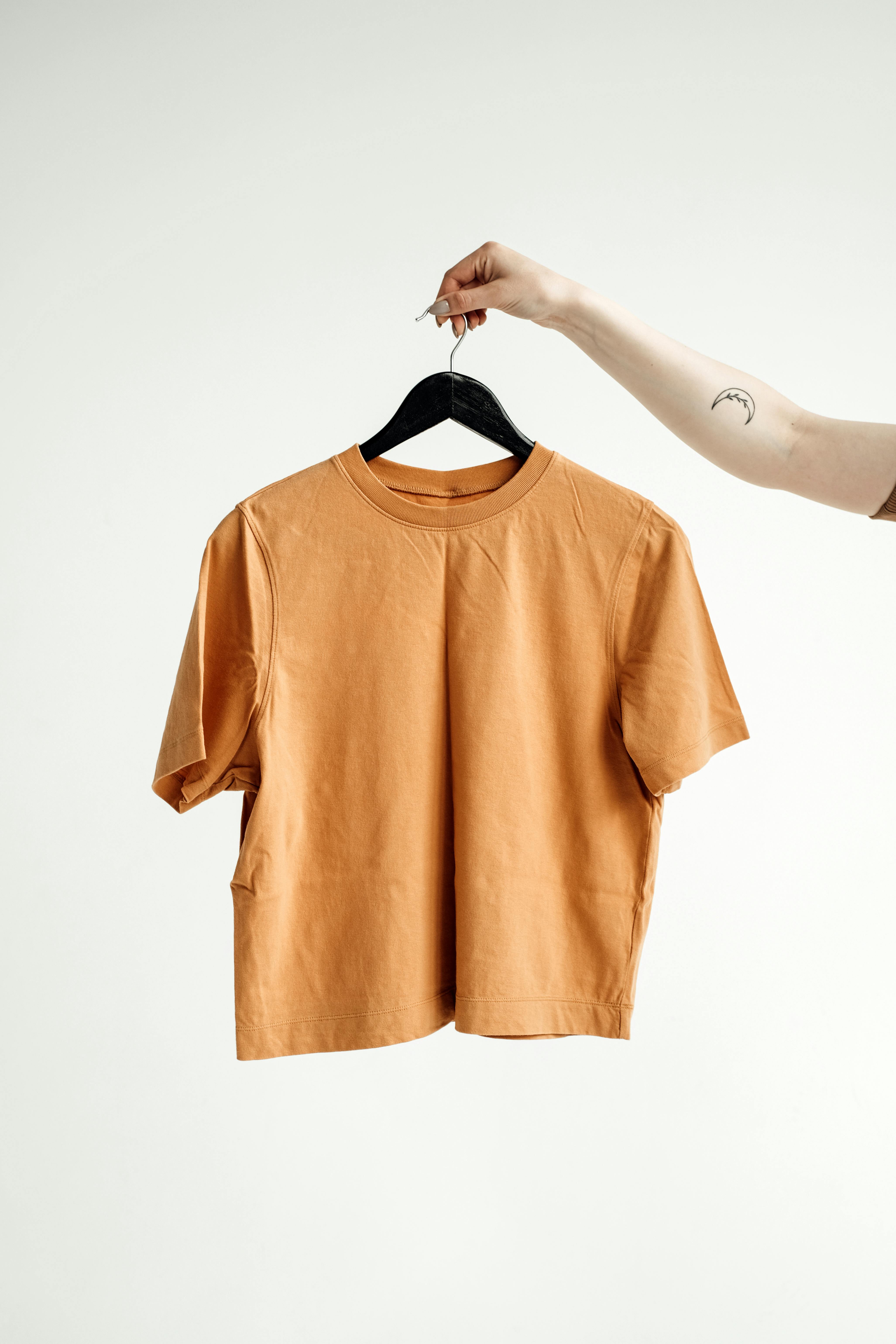
Best for everyday basics and warm weather clothing. Cotton becomes about 20% stronger when wet, which is why it holds up well to washing but may shrink if exposed to heat.
Linen Fabric Properties
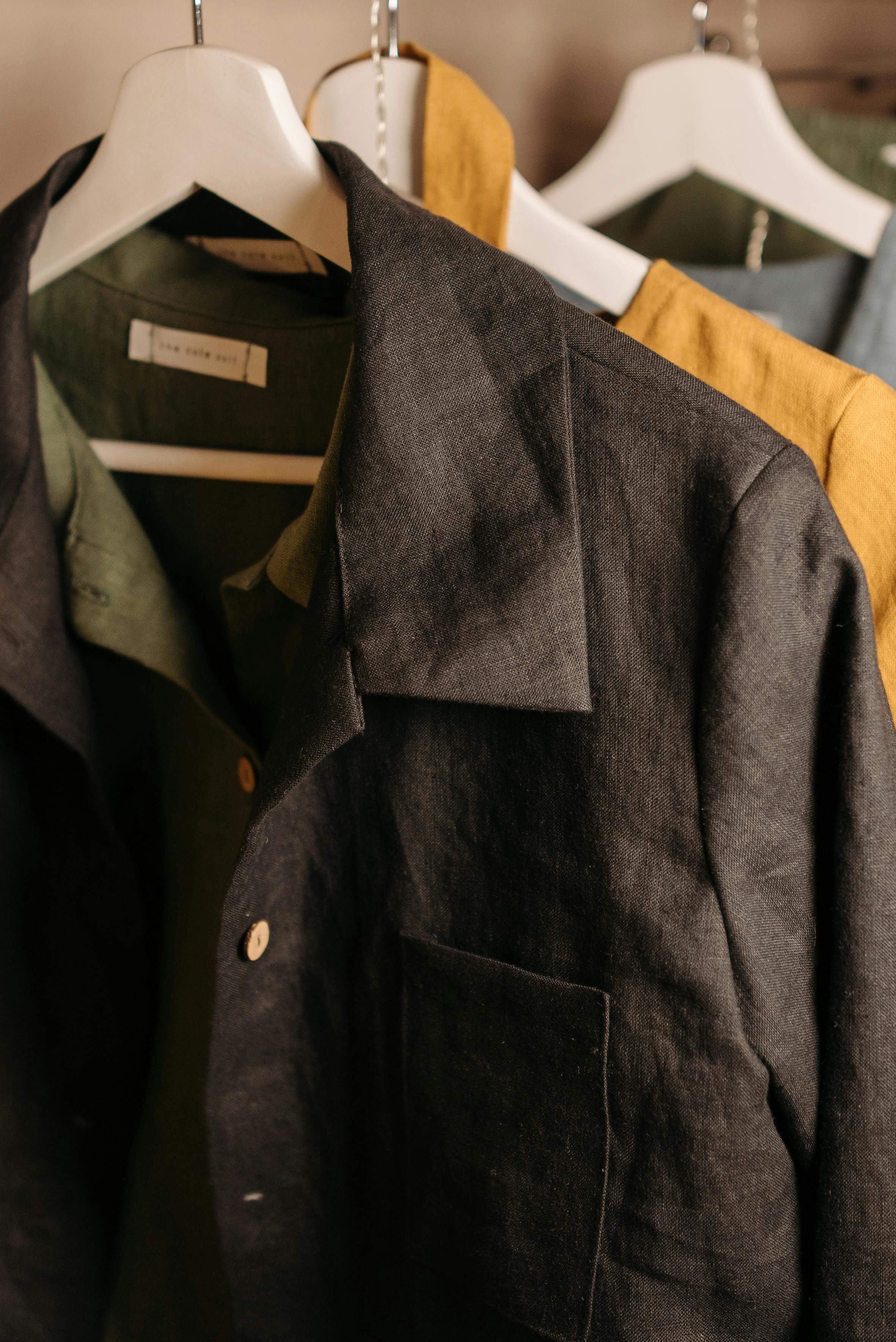
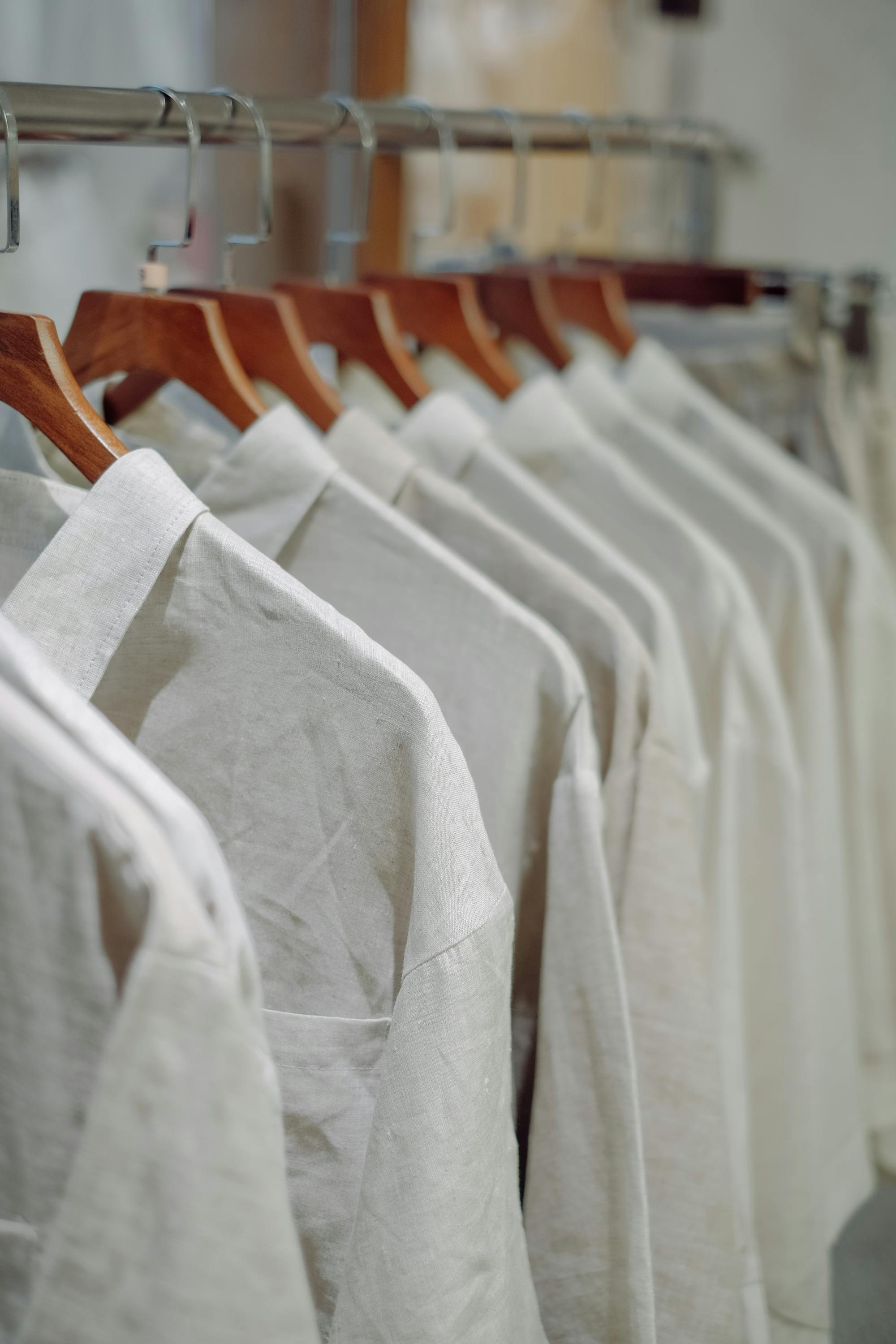
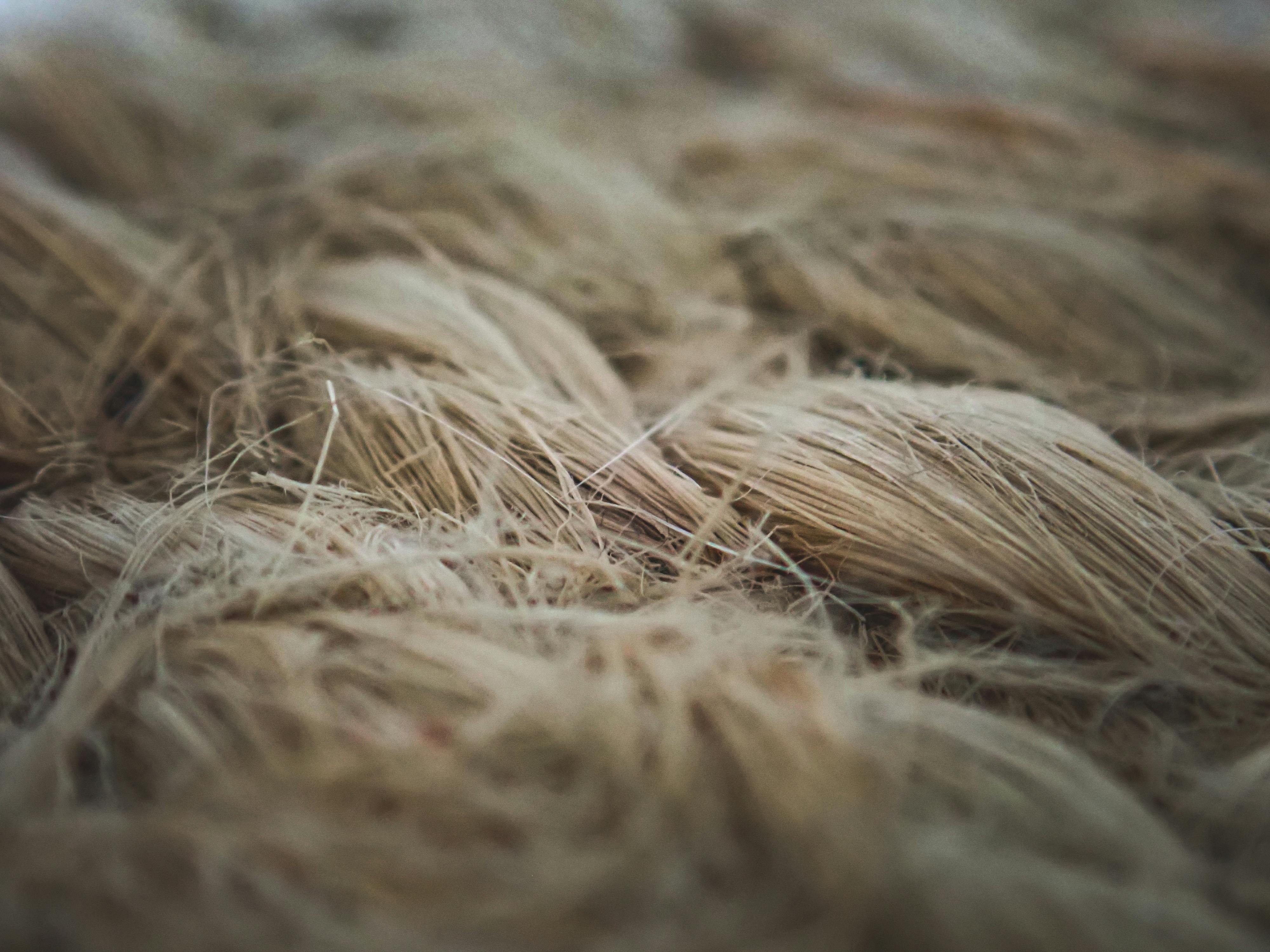
- Very breathable
- Moisture absorbing
- Quick drying
- Wrinkles easily
- Stronger when wet than dry
Best for hot climates and summer clothing. Linen fibers are actually stronger than cotton, with higher tensile strength, but they have very low elastic recovery. This is why linen wrinkles easily but lasts for years.
Wool Fabric Properties
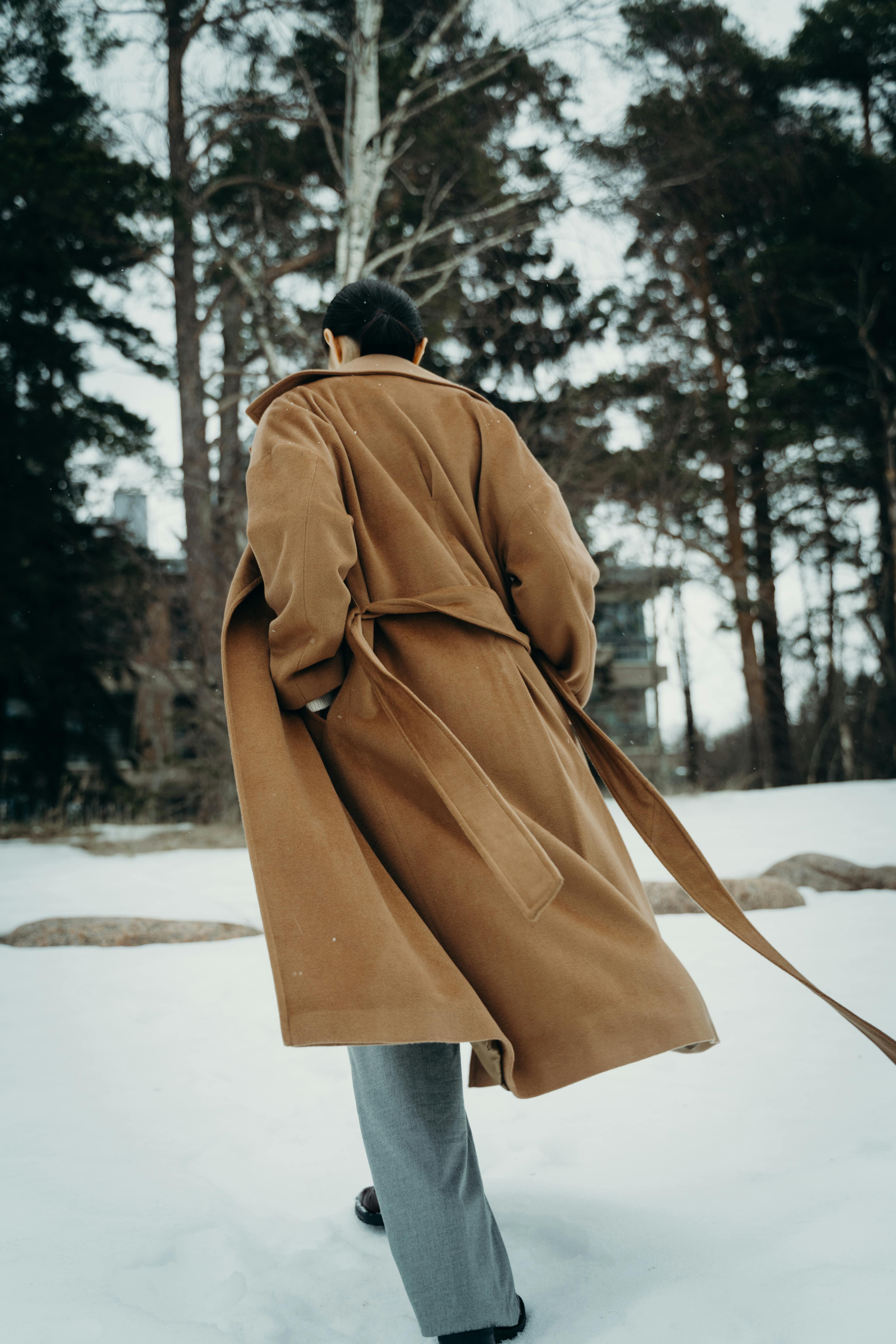
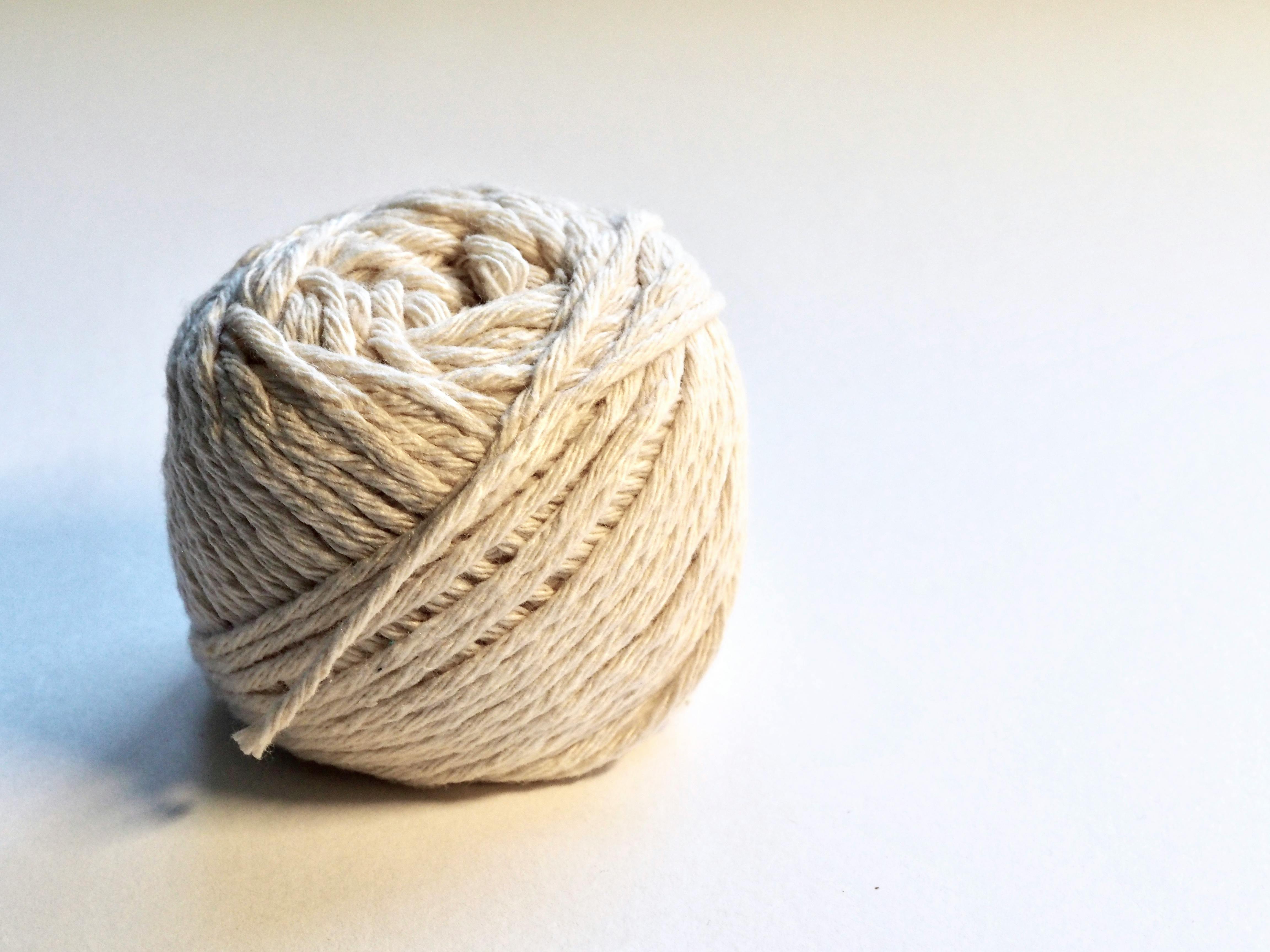
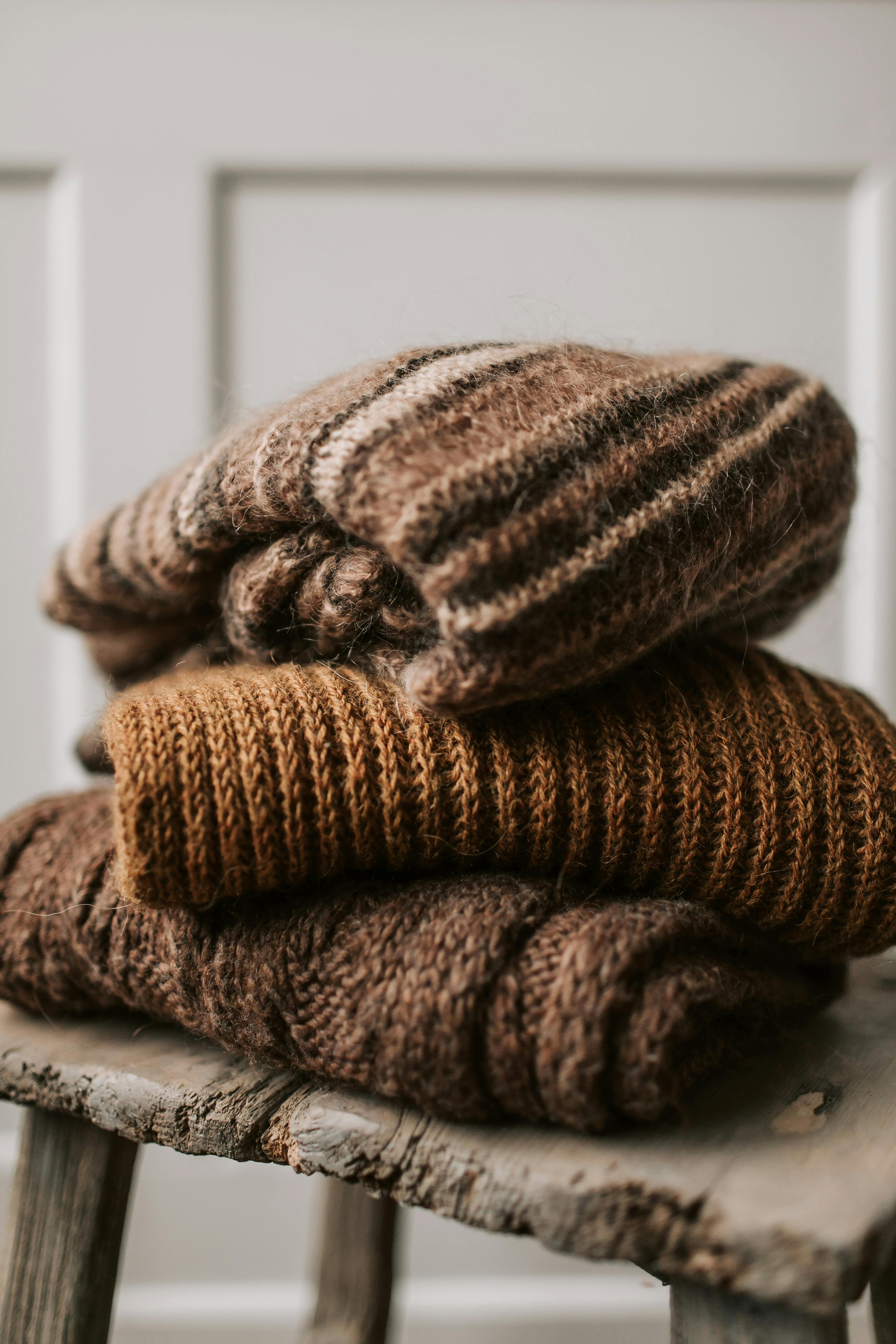
- Temperature regulating
- Moisture absorbing
- Naturally odor resistant
- Elastic
- Insulating even when wet
Best for layering and and breathable warmth. Wool fibers can stretch up to 25 to 30% of their length and still return to their original shape, which contributes to wrinkle resistance. Note that wool is measured in microns and the lower the microns the softer the feel against the skin.
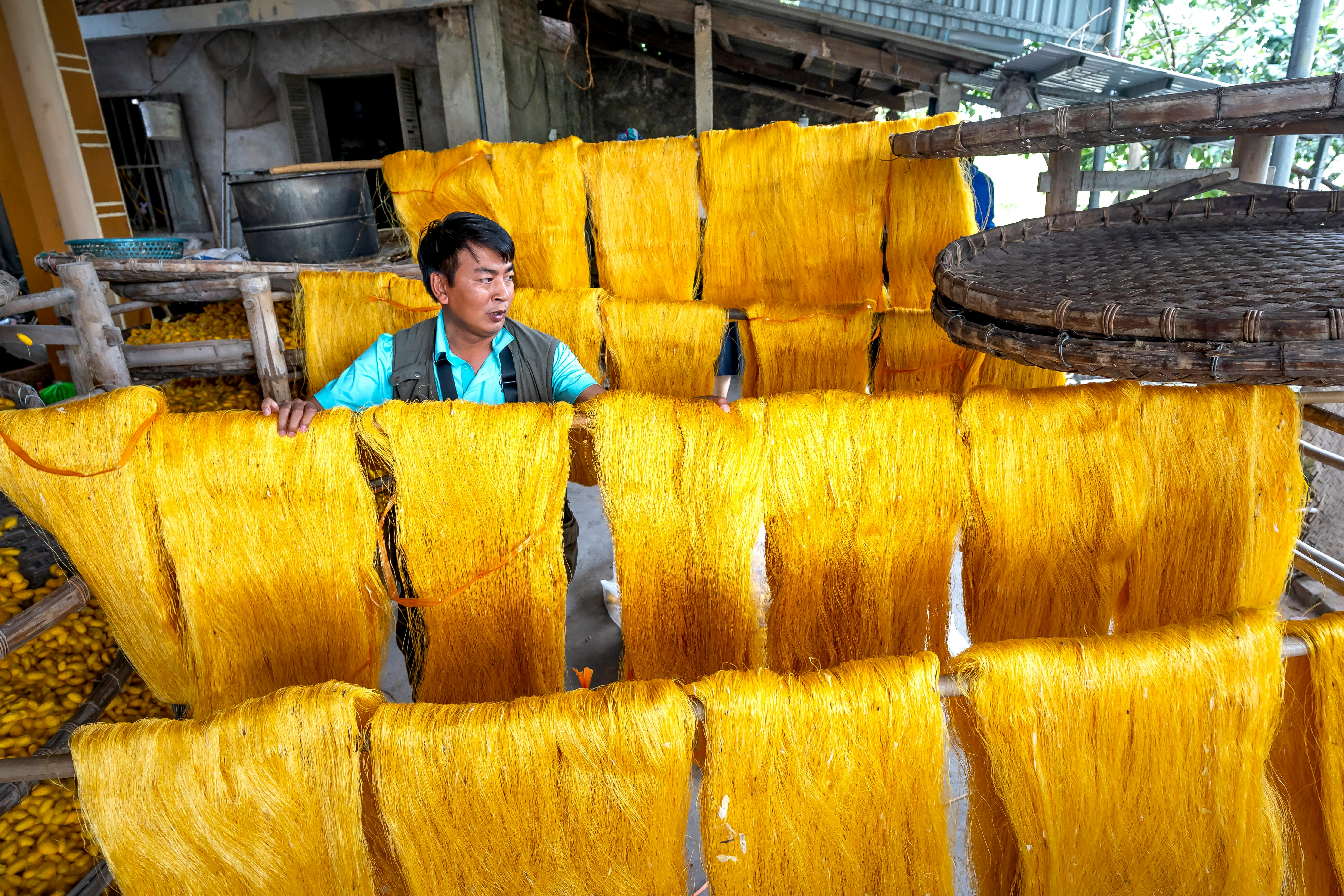
Silk Fabric Properties
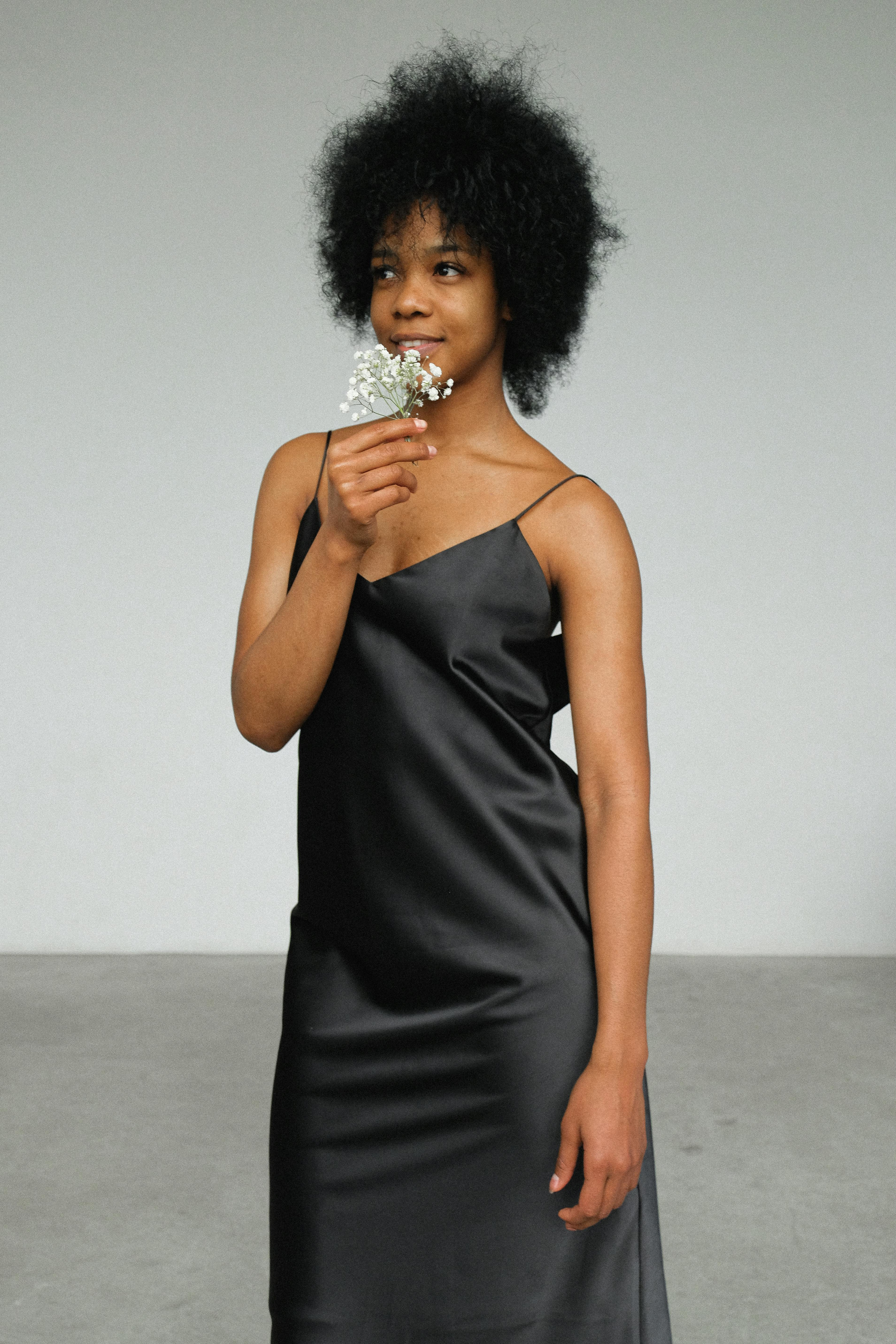
- Smooth
- Lightweight
- Breathable
- Moisture regulating
- Temperature adaptive
Best for lightweight layers and occasion wear. Silk is a filament fiber, meaning a single strand can be hundreds of meters long. This contributes to its smooth surface and natural resistance to pilling.
How Understanding Fabric Types Helps You Build a Slow Fashion Wardrobe
Looking beyond marketing terms like natural or eco friendly and understanding how clothing fibers behave can help you choose garments that last longer, feel better to wear, and require less maintenance over time.
If you are someone who already spends days researching each purchase, understanding fabric composition is one of the easiest ways to shortcut that process and make more confident decisions.
Additional Resources for Learning About Clothing Materials
If you are interested in learning more about how fabrics are made and evaluated, these are commonly used in fashion and textile programs:
- Textiles by Sara J. Kadolph
- Fabric for Fashion: The Complete Guide by Clive Hallett
- Fashionpedia: The Visual Dictionary of Fashion Design


 The Deep End
Leave a comment