Slow fashion is simply this:
Buying fewer things, more intentionally, with the goal of wearing them for a long time.
That is it.
For me, it is less about perfection and more about breaking out of the buy, wear, discard cycle that most of us have been trained into by trend cycles and ultra cheap clothing.
Instead of asking, Do I like this right now?
Slow fashion asks, Will I still want to wear this in three years?
Why Do I Care?
There are obviously environmental reasons such as textile waste, microplastics, water usage and energy consumption. On top of that, I want my closet to feel easy.
To me, that means:
- I do not want to think that hard about getting dressed
- I want clothes that get better with wear
- I want my wardrobe to age with me instead of expiring every season
- I do not want to re-buy staples every season
I want fewer decisions in my day, not more. A wardrobe full of things that just work is one less system I have to manage.
For me, slow fashion is as much about reducing decision fatigue as it is about sustainability.
It does not need to be all or nothing
You do not need to throw out your entire closet and start fresh with ethically made $300 sweaters.
In fact, the most sustainable thing you can do is wear what you already own.
Slow fashion is not about moral purity. It is about:
- Buying less often
- Buying better when you do
- Repairing instead of replacing
- Ignoring trend cycles when they do not serve you
Maybe you buy secondhand denim.
Maybe you invest in one great coat this year.
Maybe you still grab a trendy top for a wedding.
That is fine. The goal is progress, not a perfectly ethical closet.
Sustainable Fibers
One of the easiest ways to shop more sustainably is by checking the fiber content before you buy.
In general, I look for natural fibers, which tend to last longer, age better and feel better on your skin.
Look for materials like:
- Cotton (especially organic or heavyweight)
- Linen
- Wool
- Cashmere
- Silk
- Hemp
- Tencel or Lyocell (semi synthetic but wood pulp based)
Try to avoid:
- Polyester
- Acrylic
- Nylon
- Rayon blends that are mostly plastic
Fiber content is one of the biggest predictors of how something will wear over time, but sometimes it’s difficult to find the right fit with an all natural fiber. In cases like these, I’m okay with a small percentage of elastane to help with fit and longevity, especially if I can’t find another option that I know I’ll reach for just as much.
Finding the Right Pieces
When I am deciding whether to buy something new, I usually think through a few filters.
First, I look for transparency. Brands that openly share information about where their products are made, how they source materials, or who is involved in their supply chain tend to be making more intentional decisions. I do not expect perfection, but I do want to know that they are thinking about impact.
It is also a huge plus when I can support smaller or local brands. Buying from independent designers often means shorter supply chains, smaller production runs, and pieces that feel more personal. These items tend to be made with longevity in mind rather than speed.
Next, I look at fiber content. Even if a brand is not fully committed to sustainability, choosing pieces made from natural or lower impact materials such as cotton, linen, wool, or Tencel can make a meaningful difference in how the item wears over time.
Finally, and most importantly, I only buy things that I love. Not things that are fine. Not things that might work. Things that I am genuinely excited to wear again and again.
A piece that you truly love is far more likely to become part of your regular rotation, which is what slow fashion is all about.
Brands I Love
7115 by szeki
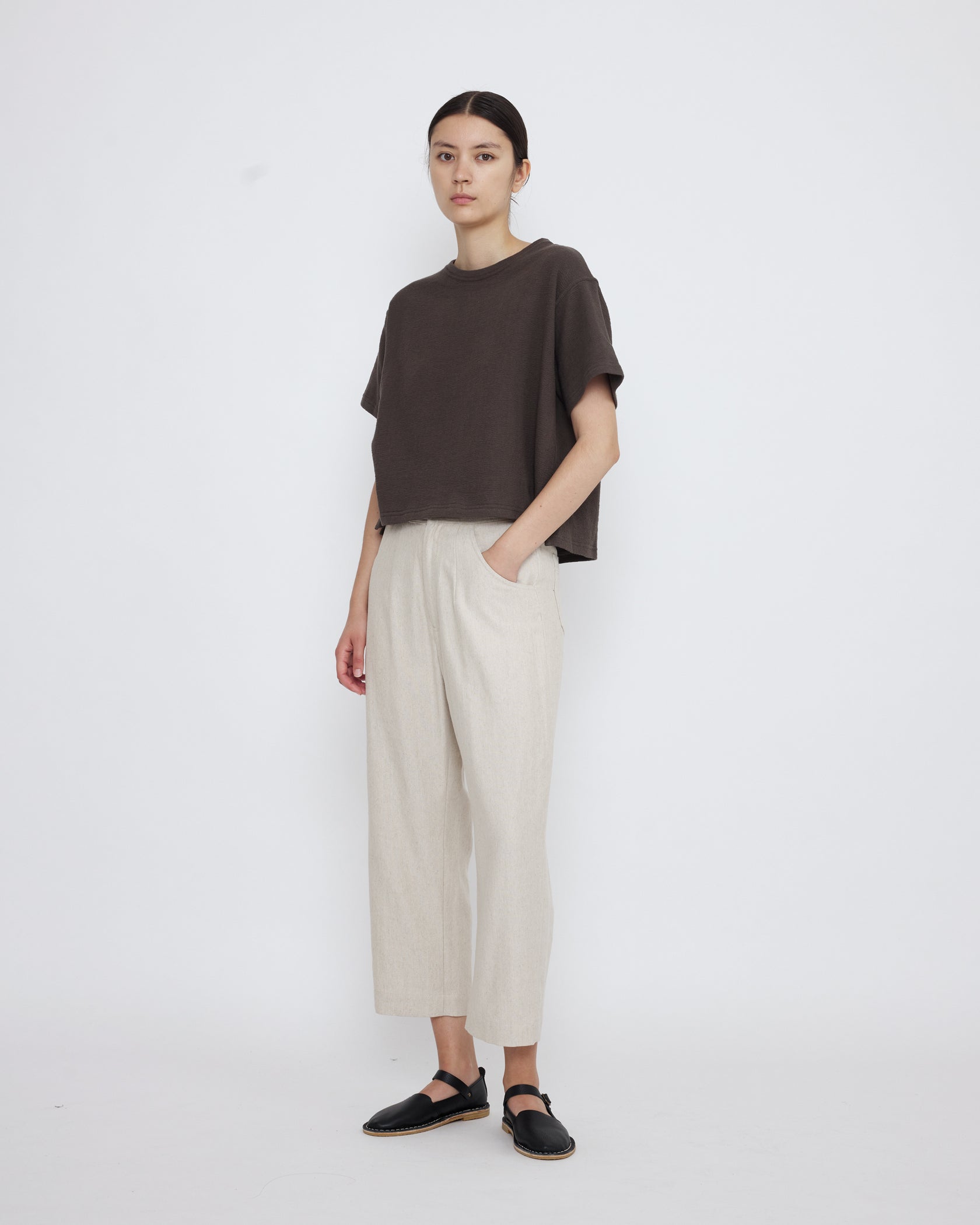
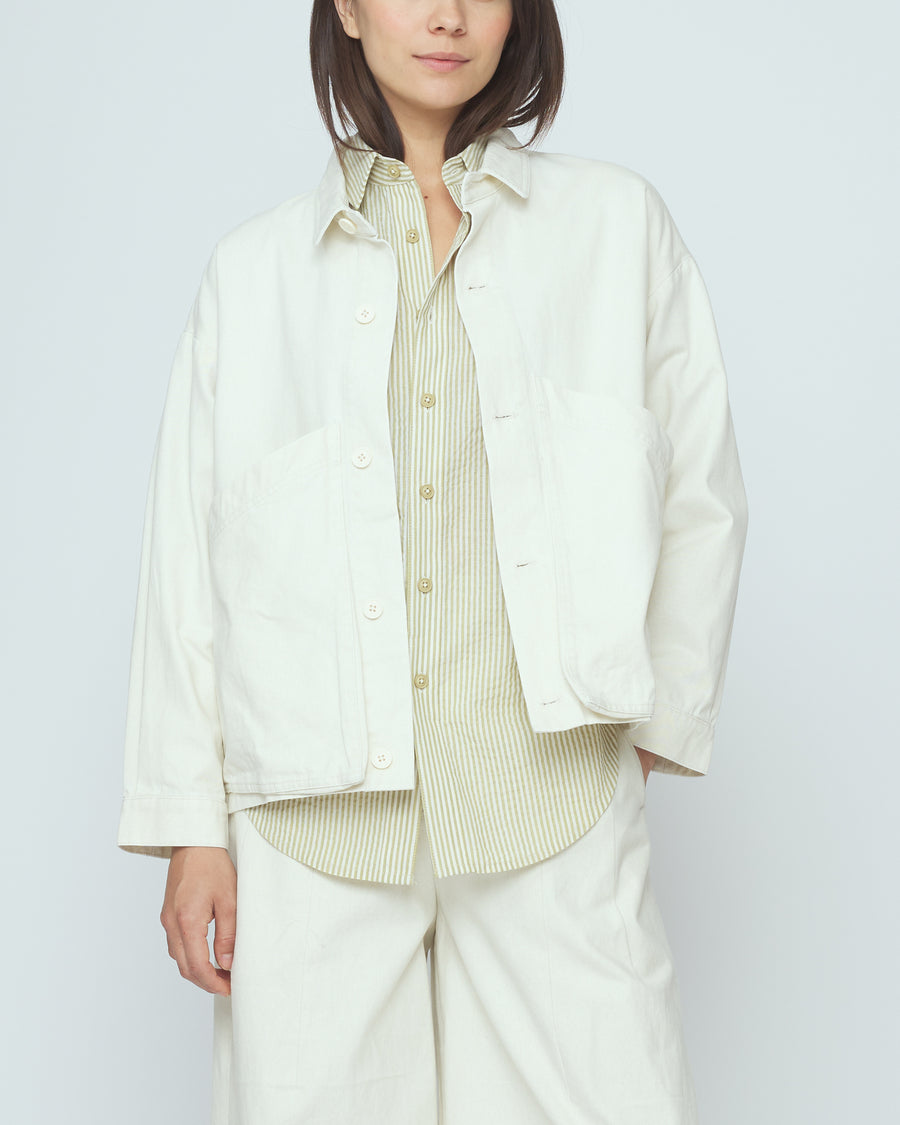
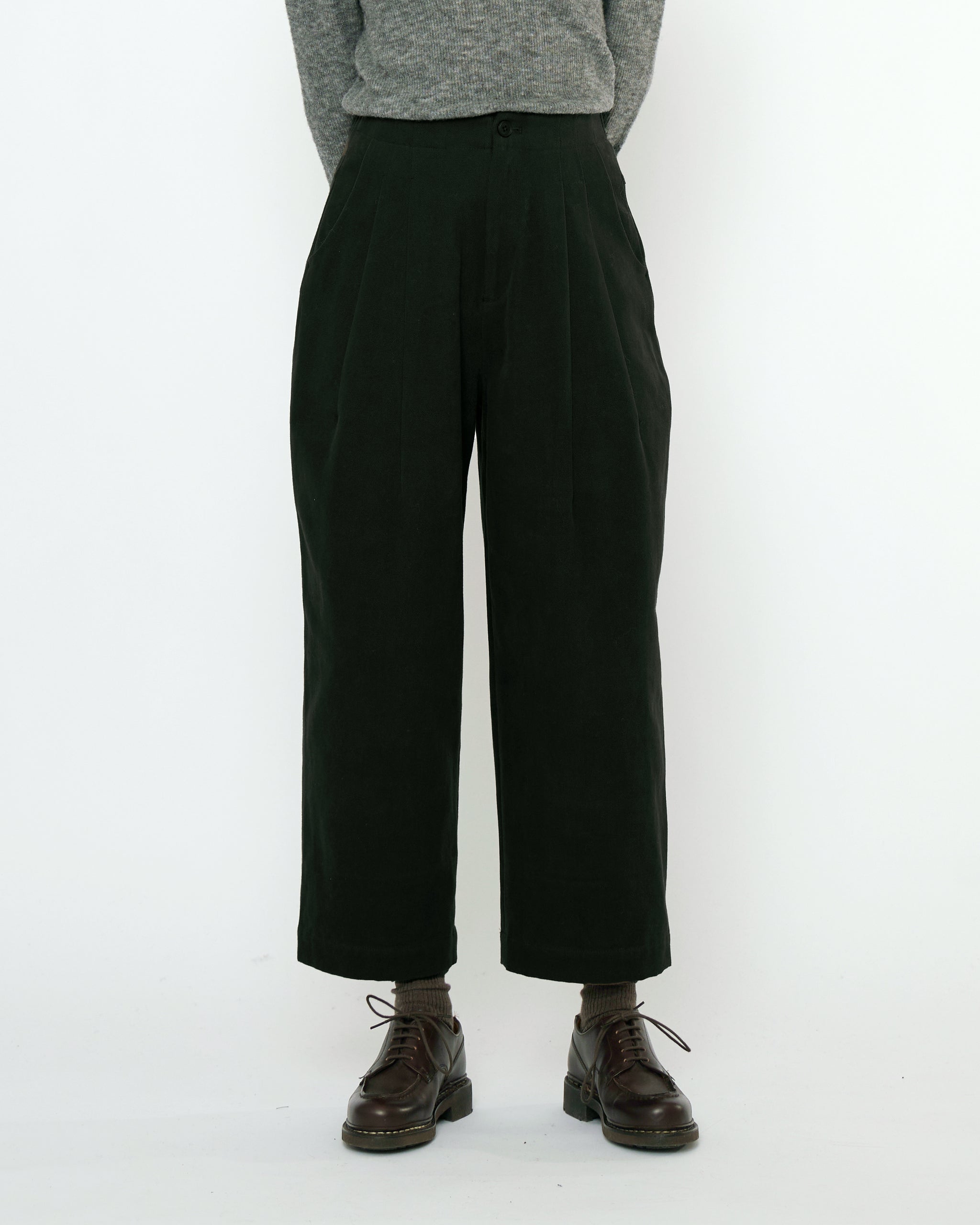
cropped tshirt / jacket / trouser
The brand is known for timeless, capsule-friendly silhouettes use of eco-friendly fabrics like organic cotton and linen. They prioritize ethical production partners and design pieces meant to reduce the need for frequent replacement.
They also operate in small batches and maintain direct ownership of production, which gives them more control over manufacturing practices.
AYR
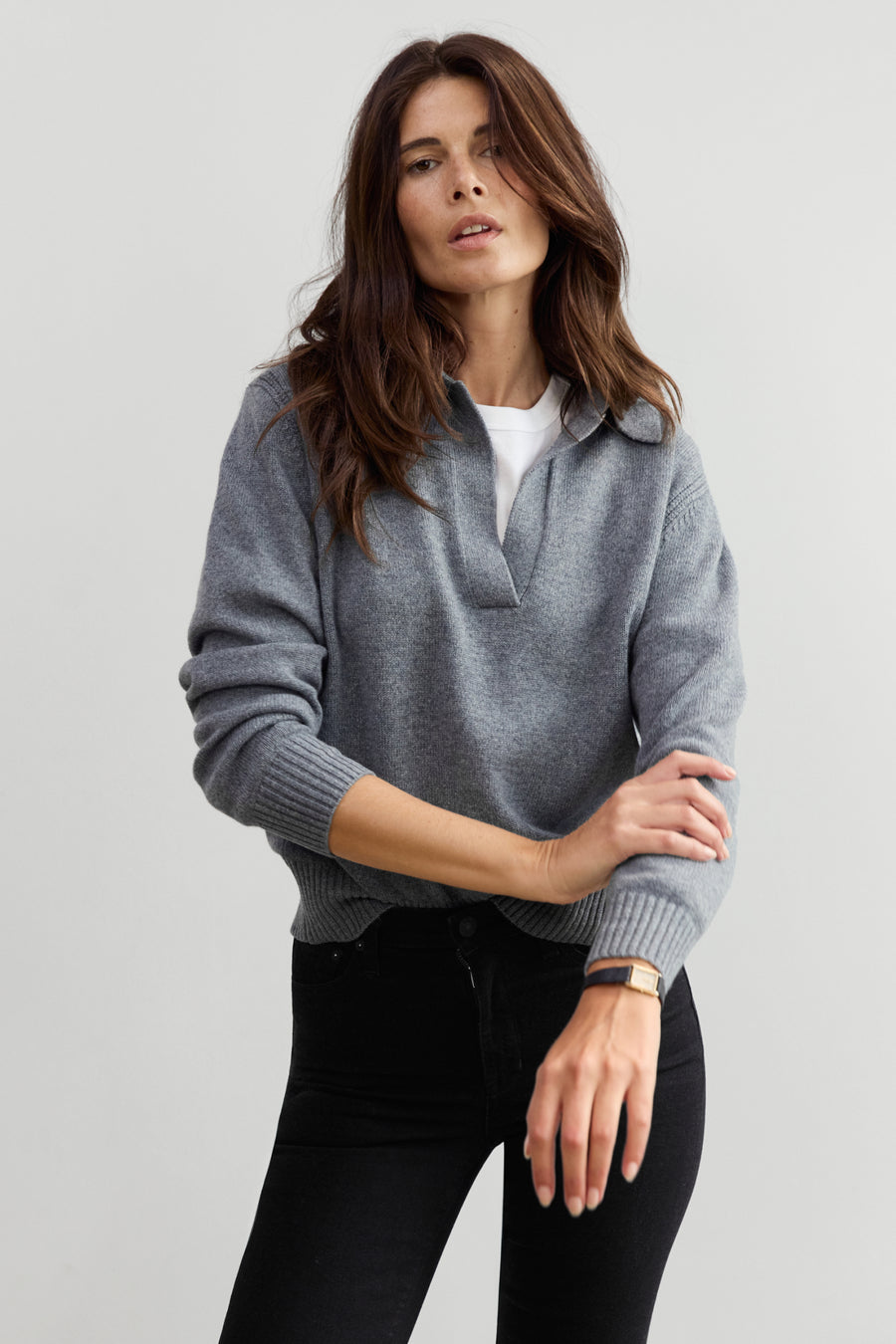
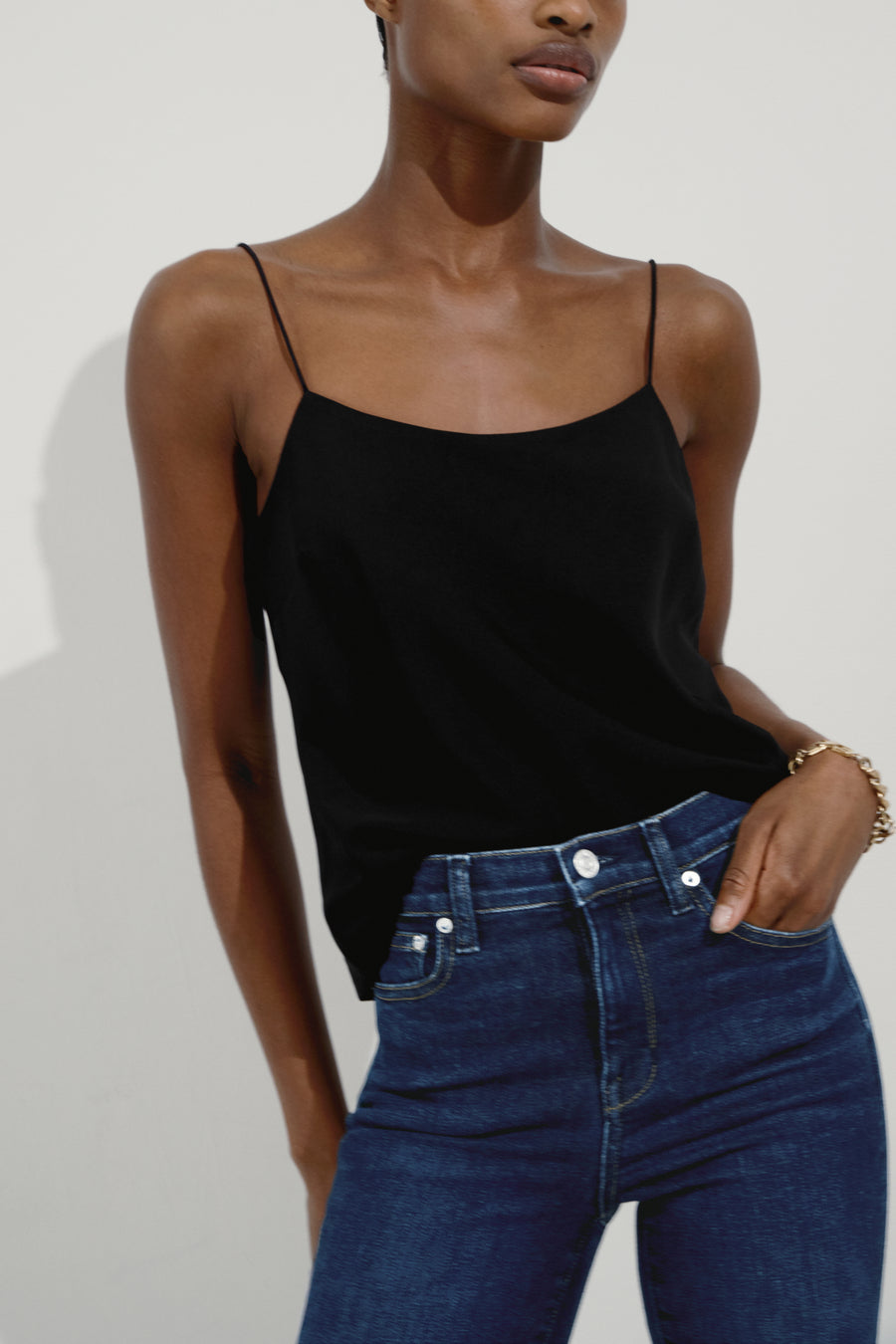
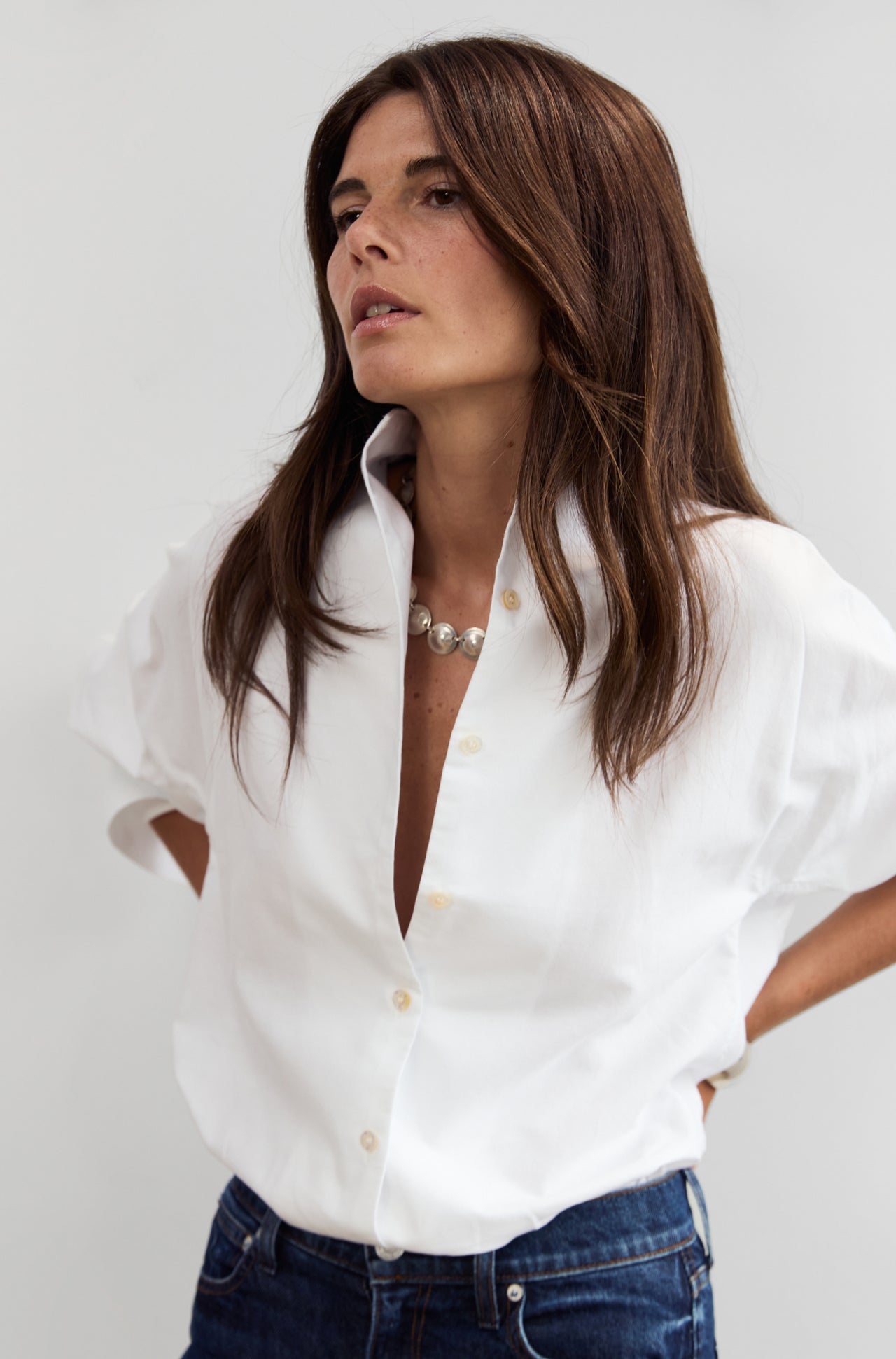
Independent American basics brand with jeans made in Los Angeles and a focus on elevated staples. They are known for their denim, but I’ve found some really high quality tops as well.
Many of their core pieces are made using natural fiber fabrics such as cotton and wool. When you choose well-made items that you truly love and wear often, AYR can absolutely have a place in a slow fashion wardrobe.
Everlane
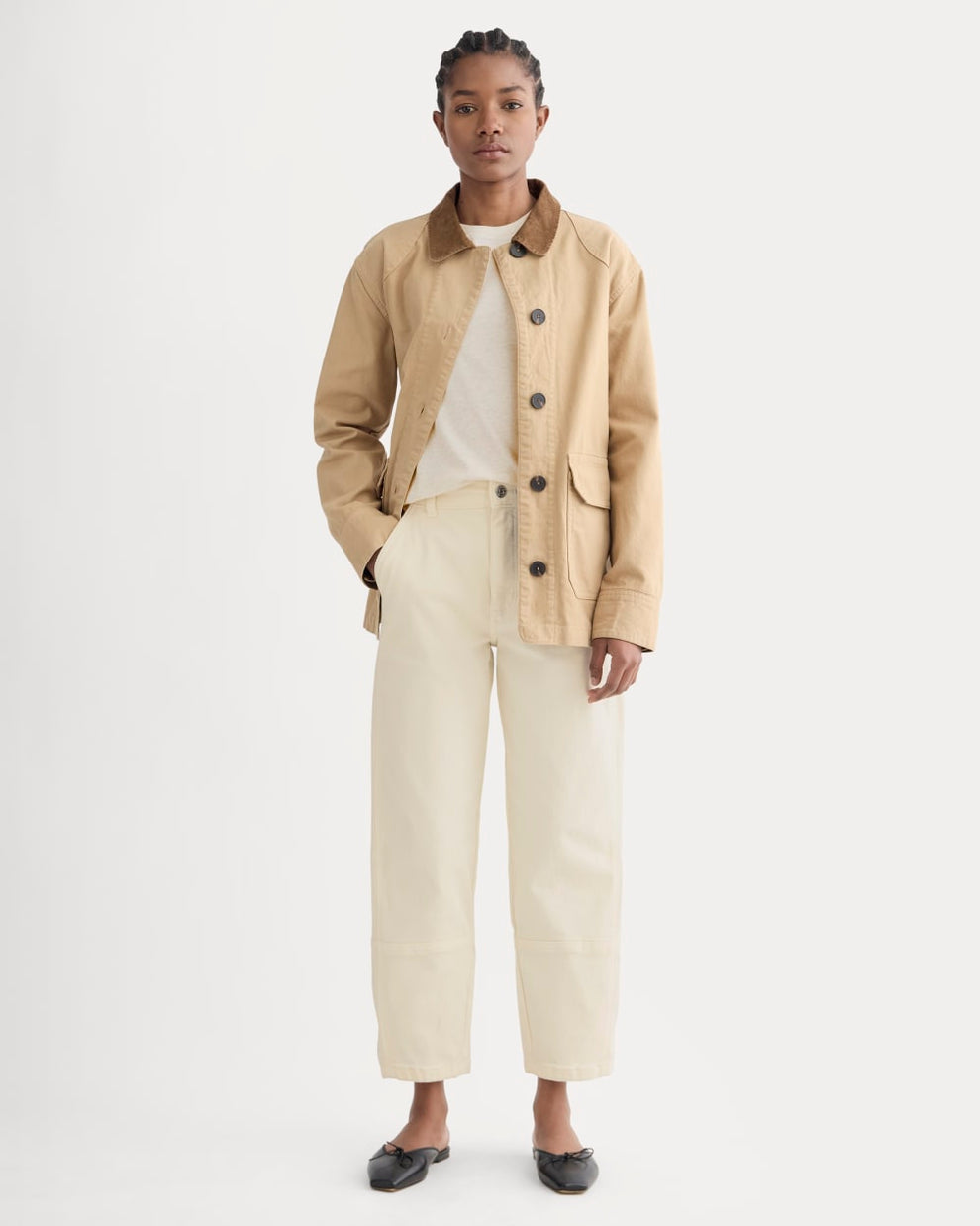
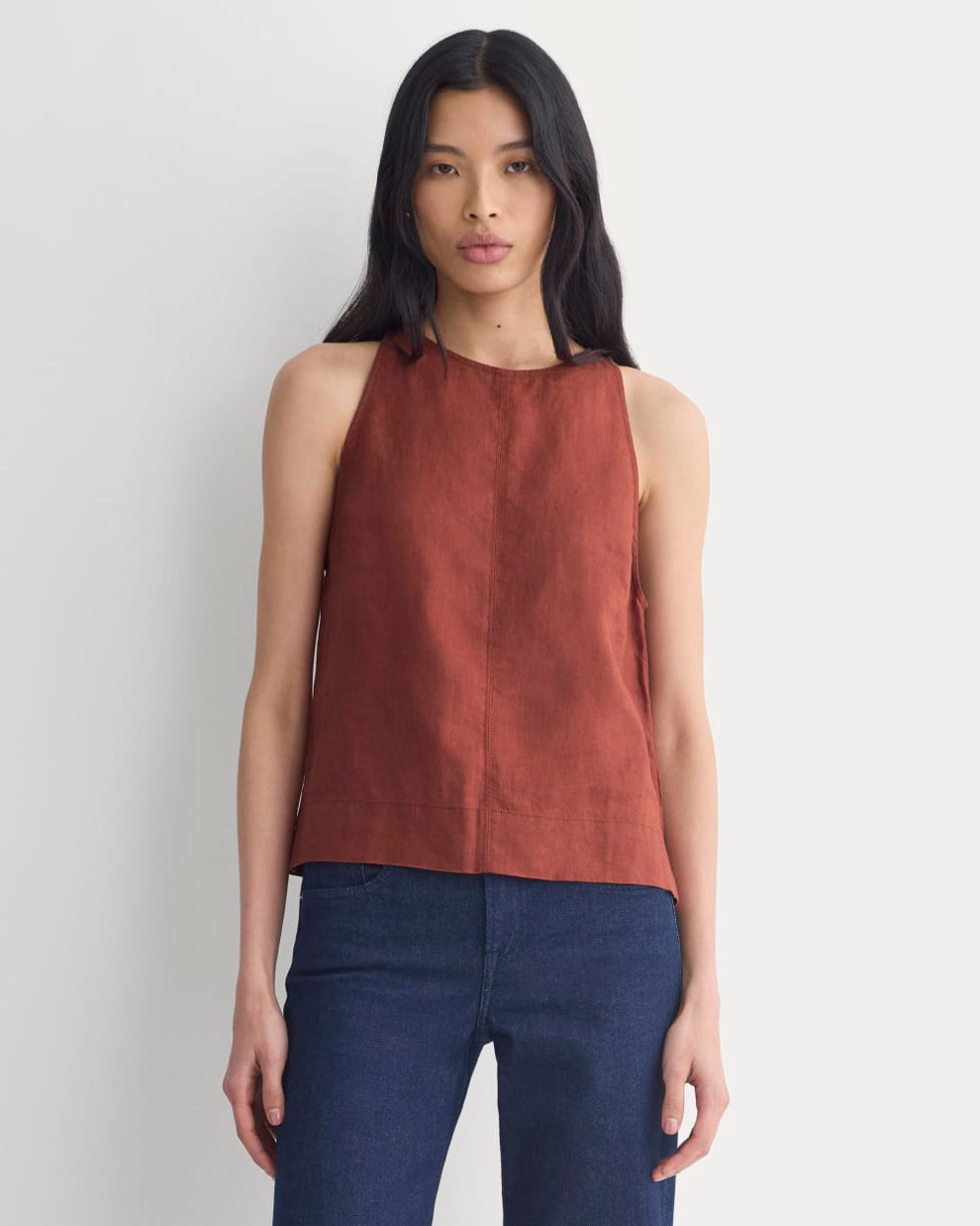
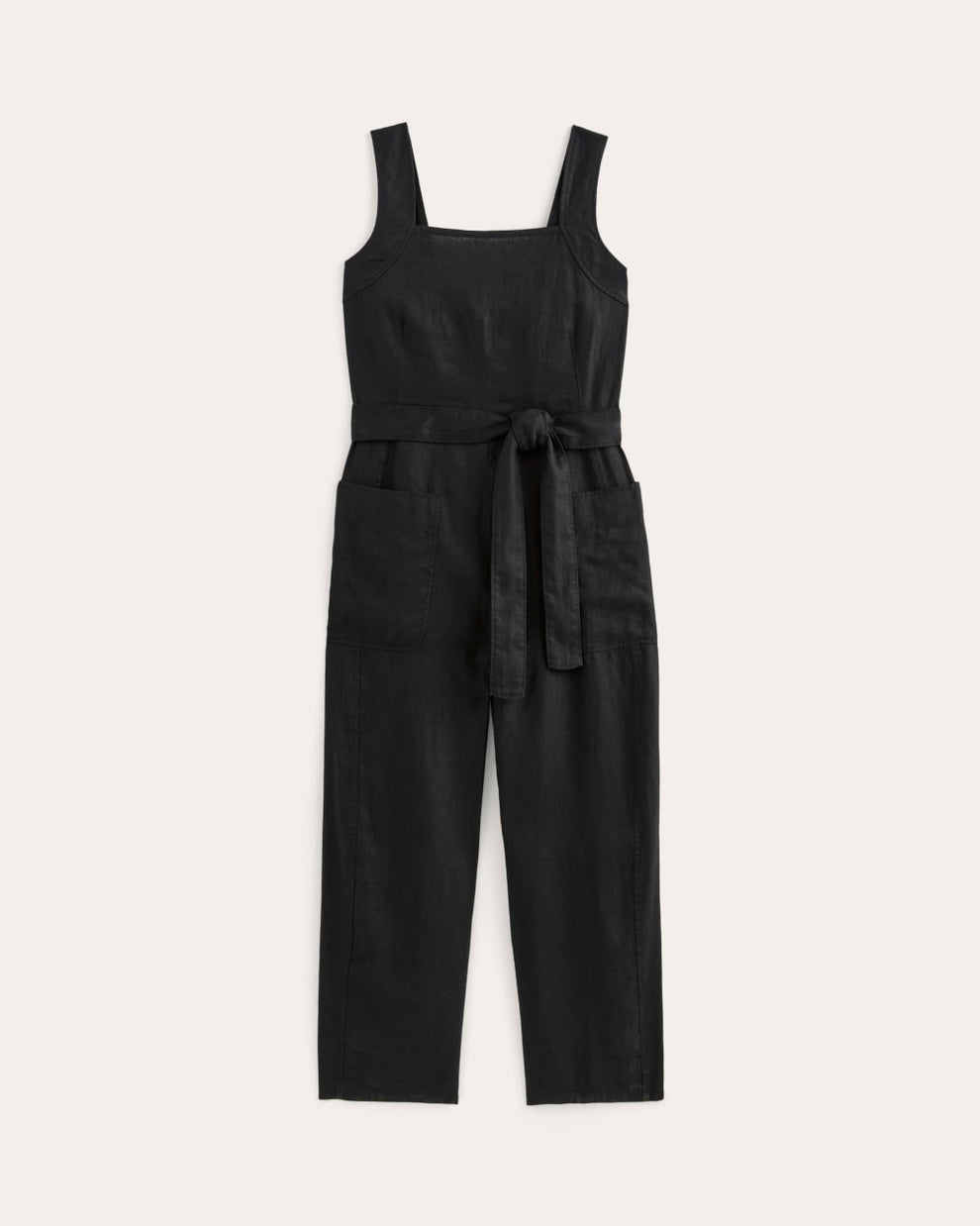
Though Everlane is a larger scale brand, they openly share information about factory partners and production practices, which makes it easier to make more informed purchasing decisions. Many of their core pieces are designed as wardrobe staples in natural fabrics such as cotton, denim, and wool and they are transparent when they are unable to use natural fibers to get the desired result. They are a great and easy option!
Your local thrift store
We love to recycle! Buying second hand ensures that it has already stood the test of time. I like to frequent some of the smaller vintage shops in the area. For my Seattle folks, here are some good options:

 The Deep End
Leave a comment